Keep Yourself Updated On The Latest Research
Follow Martnerlab on Twitter
News

Anna Martner receives the Eric K. Fernström Prize for young researchers
10 AUGUST, 2023
AWARD. Anna Martner, who leads a research team at the Sahlgrenska Center for Cancer Research, has been appointed this year’s recipient of the Eric K. Fernström Prize for young researchers. Her research could lead to more effective immunotherapy for several types of cancer.
Anna Martner has been awarded SEK 100,000 as a personal prize from the Eric K. Fernström Foundation. The prize has been presented since 1979 to young researchers at medical faculties in Sweden.
“Receiving this award is a real honour,” says Anna.
More effective immunotherapy for cancer
Anna’s research field is tumour immunology, which she has studied in Gothenburg and during two extended research periods at world-leading laboratories in the USA. Since last spring, she has been a senior lecturer at the Sahlgrenska Academy’s Department of Microbiology and Immunology.
Anna’s research focuses on how the immune system can eliminate cancer cells more effectively. Her team is studying an enzyme – NOX2 – which is expressed on the surface of immunosuppressive cells, myeloid-derived suppressor cells (MDSC). The oxygen radicals formed by NOX2 result in that cancer cells are not removed effectively enough by the immune system’s NK cells and T cells. Anna’s team has used animal models to demonstrate that the oxygen radicals formed by NOX2 increase the risk of metastasis and reduce the effectiveness of cancer immunotherapy.

MDSC produce NOX2-derived oxygen radicals (ROS) that inactivate NK cells and T cells. Turning off NOX2 enables the immune system to eliminate cancer cells more effectively. Click to enlarge image.
Testing drugs for pancreatic cancer
An upcoming study will test Ceplene® – a NOX2 inhibitor developed at Sahlgrenska Academy – as an adjunctive therapy for pancreatic cancer surgery.
“Our hope is that this treatment will reduce the risk of cancer spreading,” Anna explains. “We will carry out a phase I/II study in partnership with the Department of Surgery, primarily to determine whether the treatment is safe in this patient group, and whether it activates the immune system against cancer cells in the way that we expect.”
Direct effects on cancer cells
In addition to inactivating NK cells and T cells, NOX2-derived oxygen radicals produced by MDSC may also exert direct effects on cancer cells. Anna investigated these mechanisms in greater depth during her sabbatical at MIT in Boston.
“Epithelial cells that are exposed to oxygen radicals undergo a process that makes them prone to migrate from one organ to another. If cancer cells undergo this process, it can lead to metastasis. We believe this is another reason why turning off the NOX2 enzyme is beneficial in cancer.”
ABOUT ERIC K. FERNSTRÖM
Eric K. Fernström was born in Karlshamn in 1901. He successfully managed the family’s granite company, which produced the granite that covers the base façade of the Empire State Building in New York. The Eric K. Fernström Foundation for the Promotion of Scientific Medical Research was established in 1978, and awards prizes to outstanding medical researchers.
BY: ELIN LINDSTRÖM
Dissertation
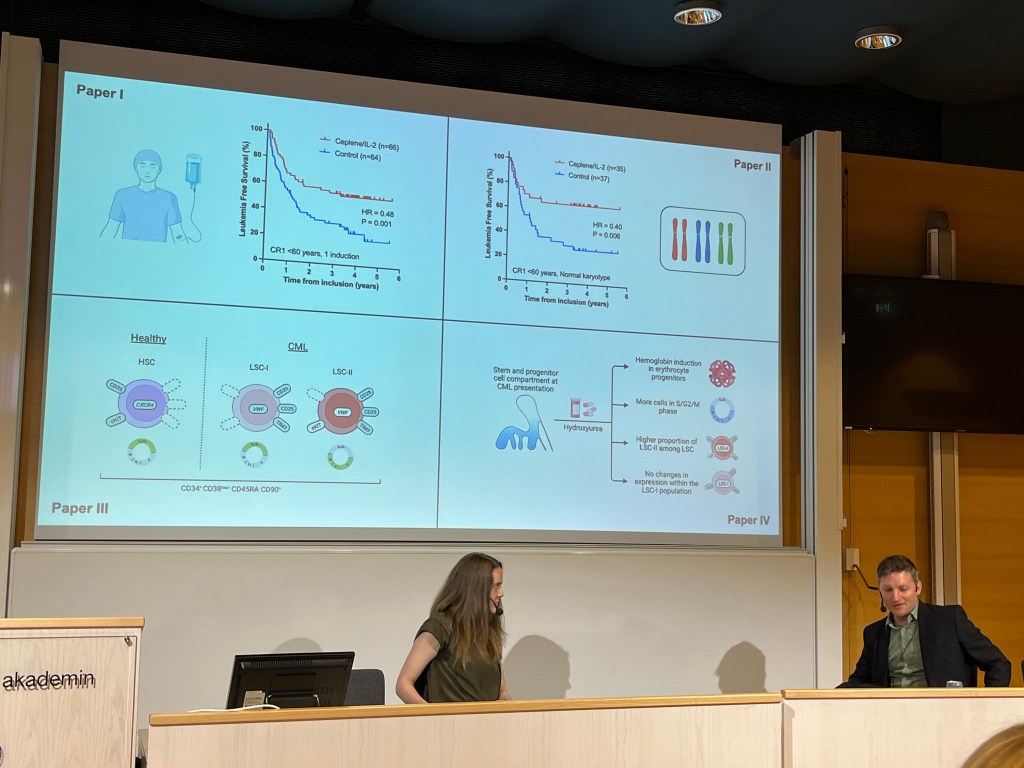
Malin Nilsson, PhD-student in the Martnerlab, defended her thesis on single cell analysis of leukemic stem cells on June, 5, 2023. Faculty opponent was Marcus Järås, Lund University.
Press release: Protective T cells remain 20 months after COVID-19
Patients infected with SARS-CoV-2 develop protective immune responses, mediated by virus-specific T cells and antibodies, shortly after the infection. There is concern, however, that immunity does not persist over time, which may translate into severe COVID-19 upon re-infection.
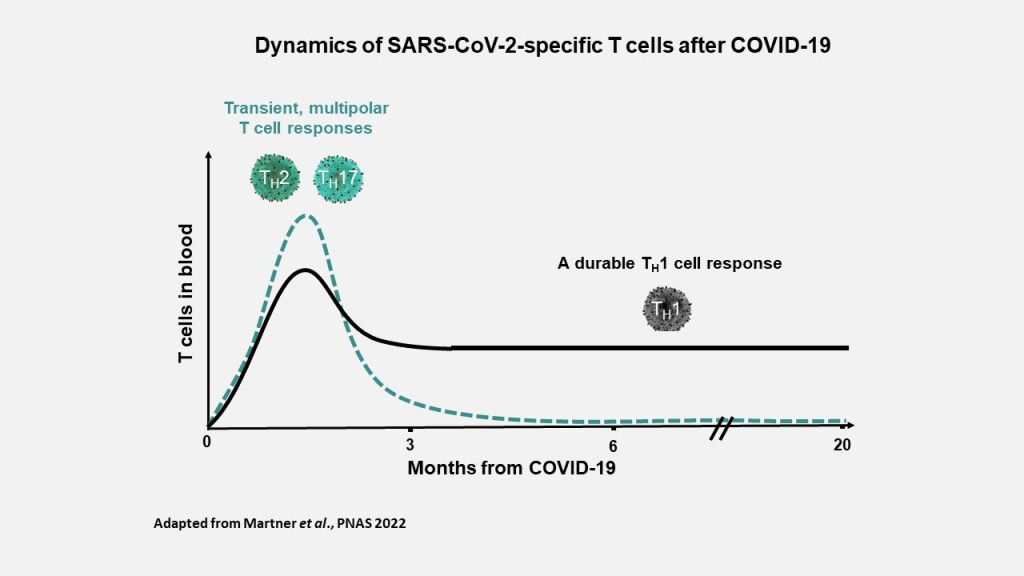
In the July, 12 issue of Proceedings of the National Academy of Science (PNAS), Anna Martner and co-authors at University of Gothenburg report two main findings. First, several variants of virus-specific T cells became detectable in blood shortly after COVID-19, but strikingly disappeared after 10-12 weeks.
However, a group of highly specialized T cells, designed to facilitate elimination of infected cells, remained active in the blood of all previously SARS-CoV-2-infected patients. These T cells did not disappear or wane even at long follow-up. Figure 1 is a schematic representation of the results.
Dissertation
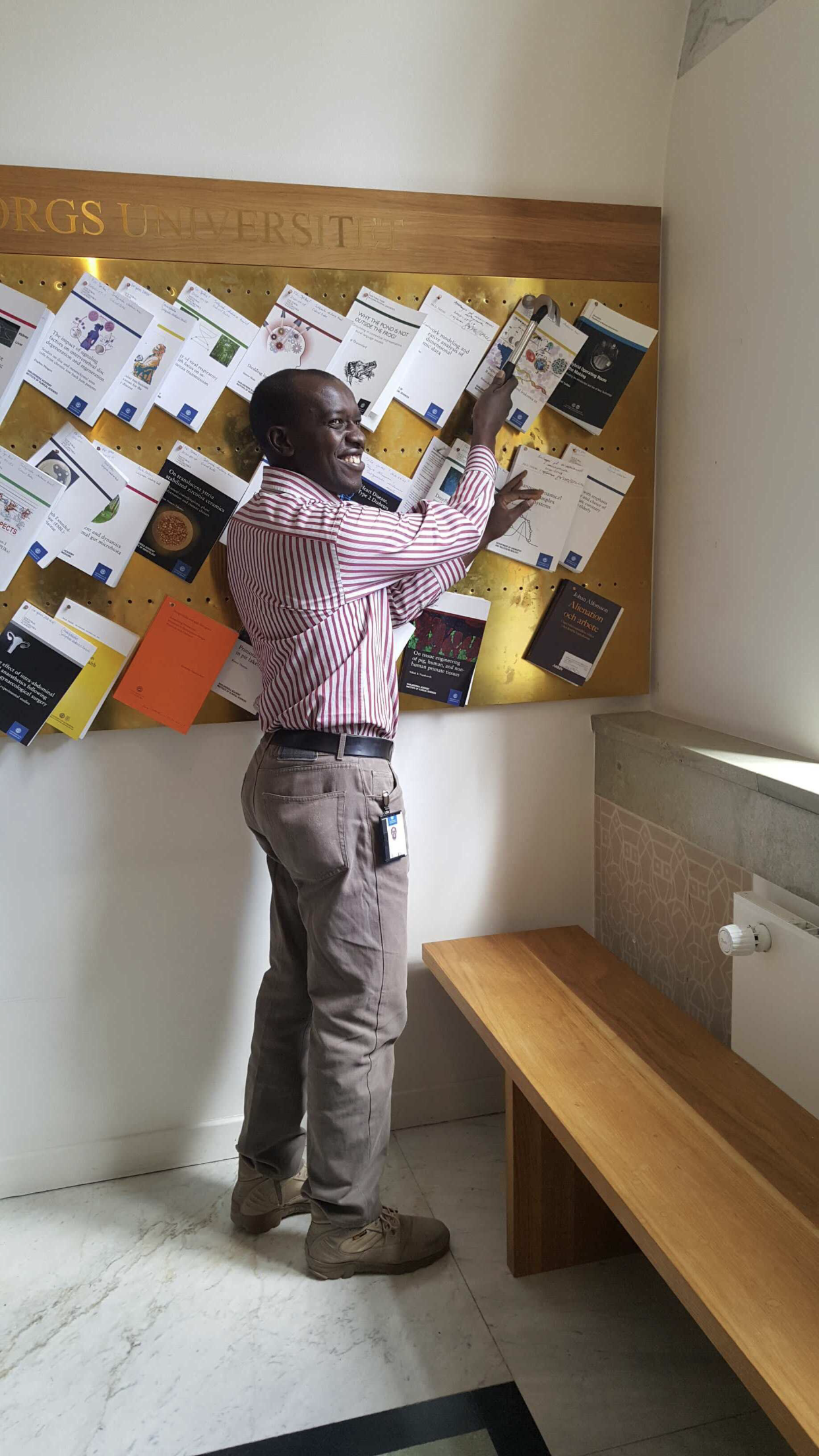
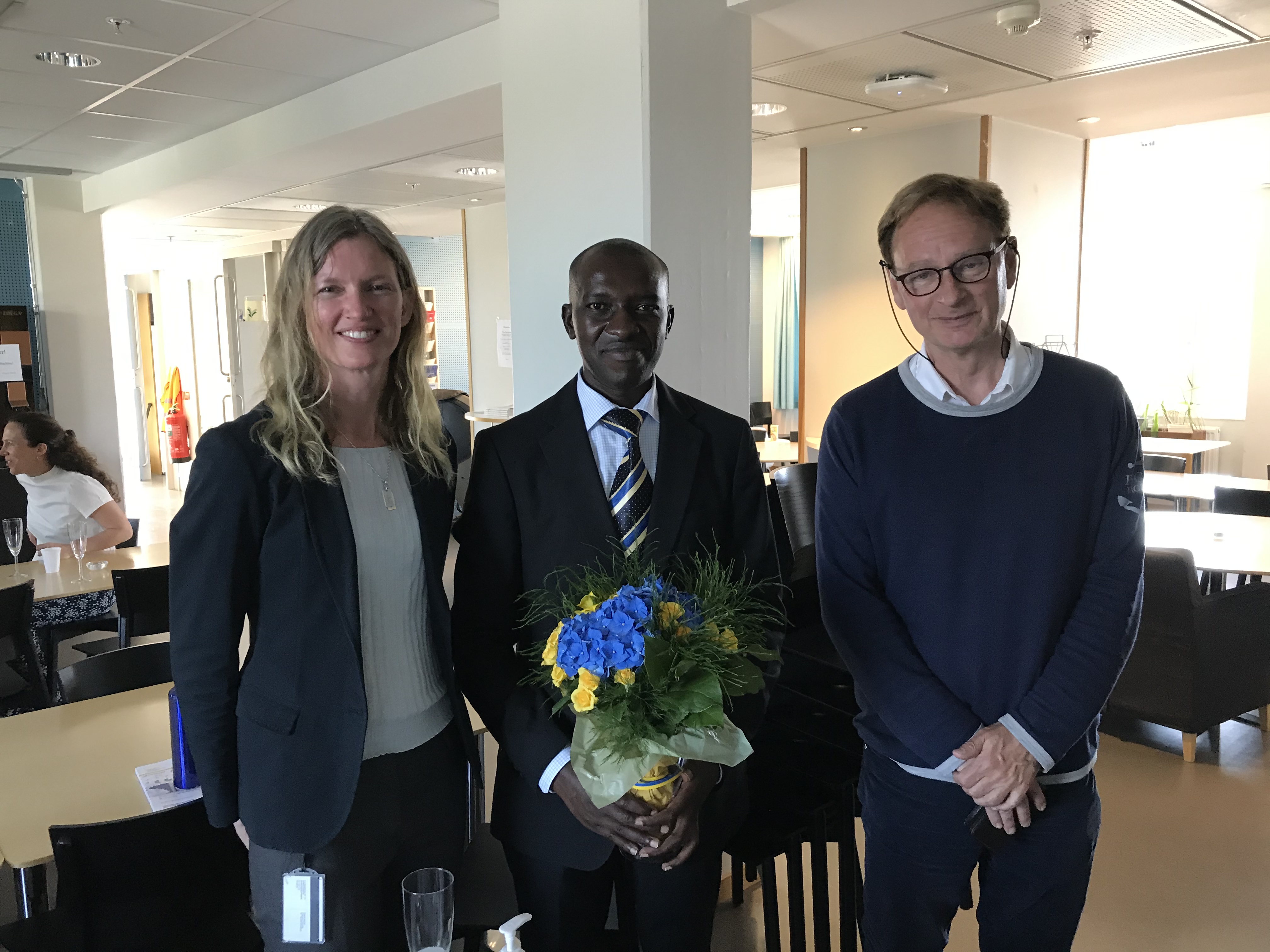
On June 9, 2021, Belson Rugwizangoga, PhD-student in the Martner lab, defended his thesis “Aspects of infection and leukemia in Rwanda”. Faculty oponent Ludmila Prokunina-Olsson, known for the discovery of interferon lambda, joined via zoom
 Martner Lab